
Of the two major computing platforms, the Windows PC was the first one I became accustomed to. Windows has gone through several incarnations since the first version was released in 1985. It wasn’t until Windows 3.1 was released in 1992 that the PC started to dominate over its competitors, these being the Mac and, to a lesser extent, the Amiga and Atari ST.
Windows 3.1
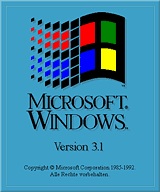 It was around 1992 that I first experienced Windows 3.1. Being only nine years old at the time, I had a very basic grasp of computing, but I was fascinated by computers and PCs, so I was more than willing to play around on the computer and learn as I went.
When compared to Windows XP, Windows 3.1 was far from intuitive. For a start, you had to boot Windows using MS-DOS, which in those days was what the PC booted into when it was turned on. Windows was merely a graphical supplement to MS-DOS, that being the primary system software.
The interface was a lot more simplistic with considerably less eye candy than modern software, but I was able to use Windows 3.1 to perform the tasks required of a 9-year-old going to school.
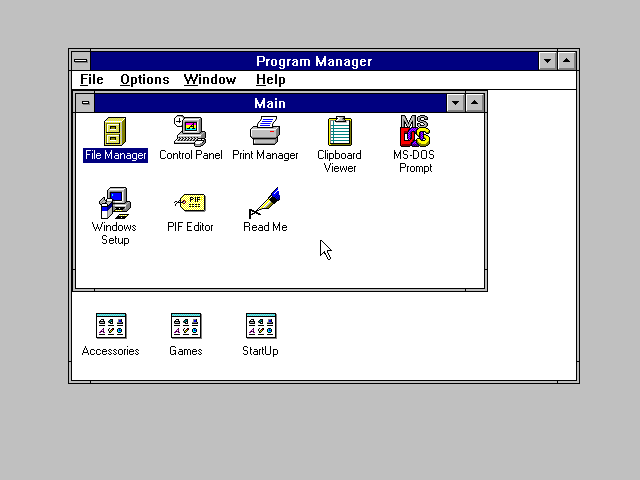
This suggests that it could be learnt fairly easy, especially by a tech savvy primary school pupil, so in this case it was a successful operating system.
Overall, Windows 3.1 was a big step forward for the PC platform and is widely seen to be the tipping point, bringing PCs out of laboratories and into homes. Windows 3.1 introduced me to the world of serious computing, and for that I remember it fondly.
Windows 95
Things a took a further leap forward with Windows 95, an operating system that I had lots of experience with. It released in 1995. I remember the release was met with lots of fanfare, it being all over the news and papers. Previously a release of an operating system would rarely register on the media radar, but with the rapid increase in the popularity of the PC, anything that could be seen as an advancement of the platform was now big news.
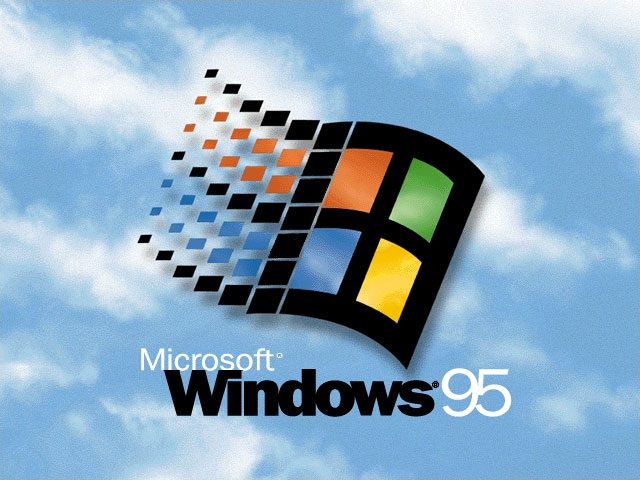
Windows 95 was a great improvement over Windows 3.1, and I used it on the first PC I owned. Significantly, it was now a complete operating system: There was no sign of a C:/ prompt on boot up, instead you would be presented with the now legendary Windows 95 splash screen.
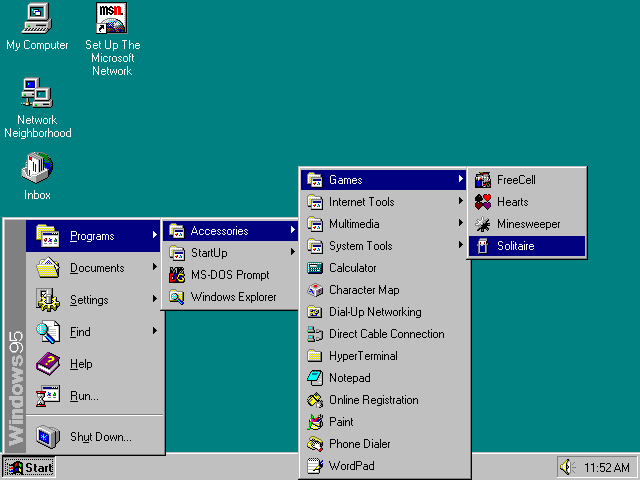
Windows 95 was seen as the first time the PC had achieved a level of parity with the Macintosh in terms of features and usability. (It was many years later I learnt that Microsoft owes much of this “advancement” to copying Mac OS design elements.) I found Windows 95 to be a great operating system, with a sleeker learning curve than its predecessor. It made my PC a lot easier to use with its Plug and Play architecture and “click to install” prompts.
Windows 95 drove the command line interface that had dominated PCs for its entire life-span into obscurity; that is its legacy.
Windows 98
 My next PC upgrade led to a period of time using Microsoft Windows 98. In hindsight, this wasn’t so much a completely new OS, but more an enhancement to Windows 95. It was by no means a pointless endeavor, as it included several new technologies that allow Windows 98 to be used effectively to this day.
Indeed, Microsoft have struggled to migrate users from Windows 98 to XP for the simple fact that it does everything that end users want it to do, and for many people the “enhancements” included in XP aren’t compelling enough to warrant the extra cost and effort.
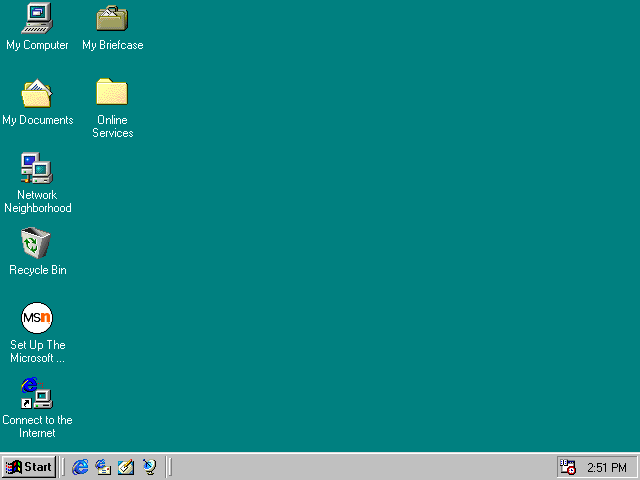
I used Windows 98 for a very long time, partly for the reason I just described: It was good enough. By this time in my computing hobby, I had owned three PCs, and with each one I understood more and more of how to use operating systems for more technical means. I read lots on the Web about how to accomplish the various things I wanted to do, like use different types of files, play varying forms of videos, emulate old video game consoles, and such like.
It was within the Windows 98 environments that I learnt these things and also began to become very familiar with the menaces of the computer virus and hard drive maintenance.
Windows XP
 I continued to use Windows 98 right up until I started at University, and I only upgraded to Windows XP when it became apparent that my colleagues and the university itself were all using it.
Windows XP is the operating I currently use on the PC at home – and it is what ultimately drove me to switch to Mac OS X.
Windows XP had the longest life span between system upgrades – it was released in October 2001 and finally superseded on January 2007 with Windows Vista. This fact alone has generated much derision from the IT community, who expect major OS updates every two to three years. Vista has been perhaps the most controversial of all of Microsoft’s operating system releases, with most of its bad press regarding its seemingly limitless security vulnerabilities and its general lack of innovation.
As I discussed earlier, I upgraded from 98 to XP simply to keep my computer up to date and negate any compatibility issues in the future. I didn’t feel any compelling need to do so; the so-called new features were uninspiring and didn’t interest me.
Driving Me to the Mac
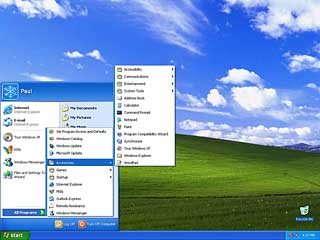
It was my time with Windows XP that drove me to adopt Mac OS X as my primary OS. Although I had first experienced the curse of the computer virus on Windows 98, at the time I had no interest in exploring the other computing options that were available to me. Instead I resigned myself to thinking that this was something I just had to live with, so I tolerated the perpetual virus scans and plethora of anti-spyware software I would need to install in the interests of security.
Windows XP was no different – and in some ways it was even worse. Although I appreciated the extra stability inherent in the XP operating system over previous incarnations, the constant maintenance and security cycle never went away. It then got to 2005, and it became apparent that my present computer was inadequate for some of the tasks I would need it to perform to get me through university.
I began to investigate all of the possibilities that were available to me: I knew I wanted a laptop, and at one point I owned a Packard Bell system. I sent it back, because its specs were lower then I was led to believe.
Looking at Alternatives to Windows
This sent me back to drawing board, and in this time I had a brief flirtation with the idea of buying an old cheap Mac on eBay to play with and experience the Mac platform for the first time. This gave me the idea of having a Mac as my main machine, a thought that grew more and more persuasive with each day.
My experience with Windows XP was pretty underwhelming: It’s an okay system, but its legacy was to push me over to the Mac. That is my history and experience with Microsoft Windows in its various incarnations.
Trevor Wale originally wrote this as part of a project at school. We’ve adapted it for use on Low End Mac and broken it down into a series of articles encompassing the author’s years with Windows and his switch to the Macintosh. dk
Next: The Roots of the Mac OS
Keywords: #microsoftwidows #windows95 #windows98 #windowsxp
Short link: https://goo.gl/gr7iKP
